Here you can find out about Agroecological Weed Management (AWM) Practices
Crop diversification
Crop rotation
Crop rotation
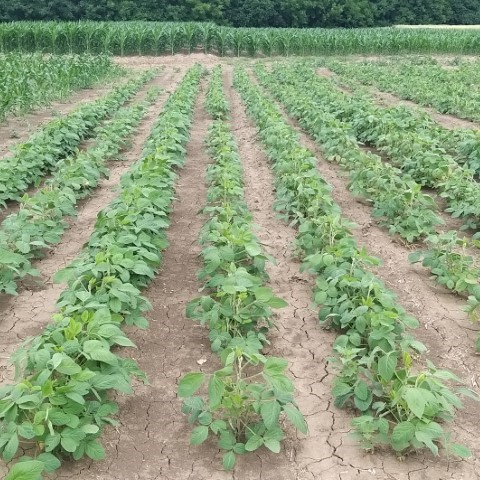
Sequential cultivation of different crops in a specific order to disrupt weed life cycles.
PDF
Intercropping
Intercropping
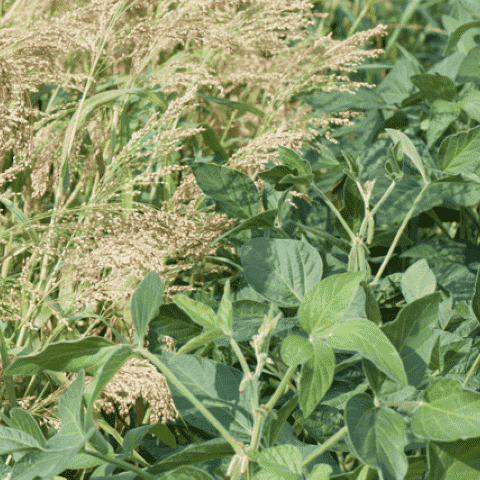
Simultaneous cultivation of multiple crops in the same field to naturally reduce weed pressure and enhance resource utilization.
PDF
Cover crops
Cover crops
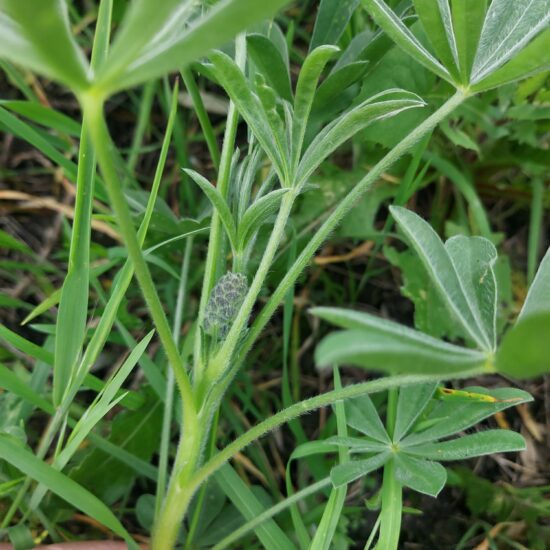
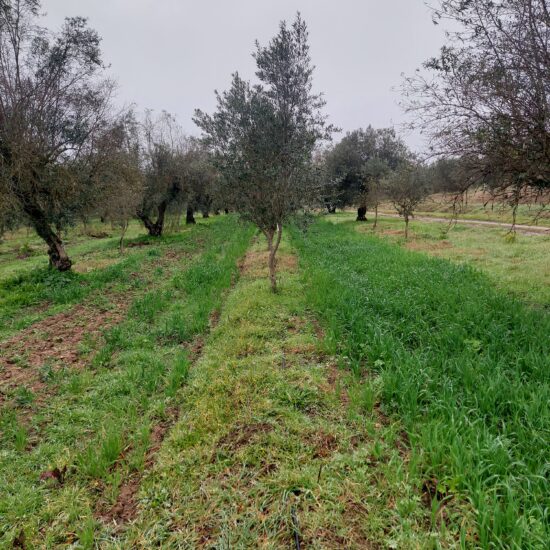
Utilization of specific plant species, grown between cash crop cycles, to suppress weed growth and enhance soil health.
PDF
Cultural
False Seedbed
False seedbed
Creation of a false seedbed by preparing the soil and then managing emerging weeds before planting the main crop.
PDF
Sowing Pattern
Sowing Pattern
Arrangement of seeds within a field to create competitive crop canopies that suppress weed emergence and growth.
PDF
Hand Weeding
Hand Weeding
Manual removal of weeds by hand or with handheld tools to selectively eliminate weeds.
PDF
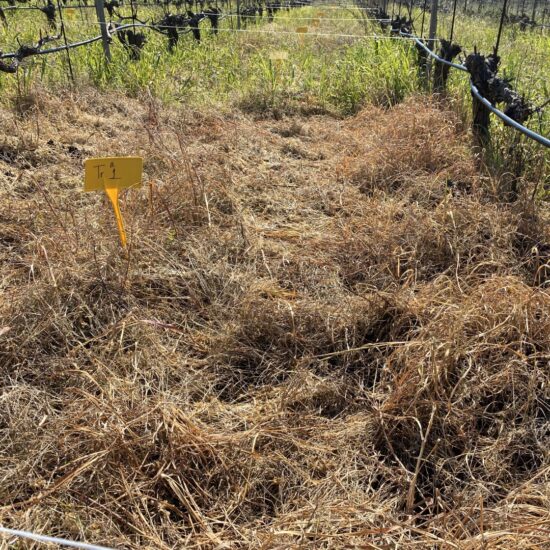
Mulching
Mulching
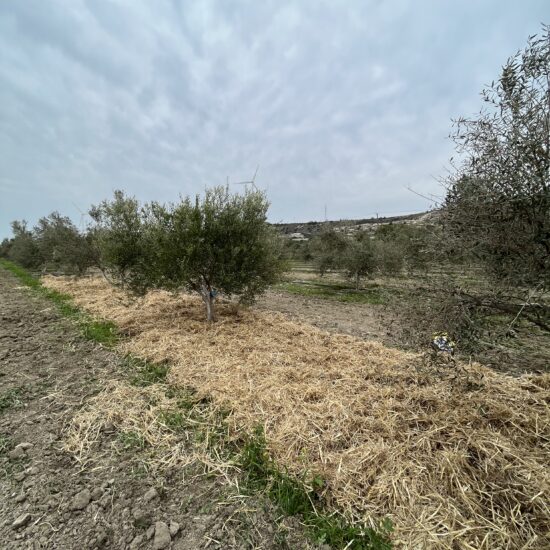
Application of preferably organic or synthetic materials on soil surfaces to suppress weed germination and growth while conserving soil moisture.
PDF
Row Spacing
Row Spacing
Modification of the distance between crop rows to optimize light, water, and nutrient availability while inhibiting weed growth.
PDF
Natural Solution
Bioherbicides
Bioherbicides
Application of naturally occurring substances or microorganisms to control weed populations with minimal environmental impact.
PDF
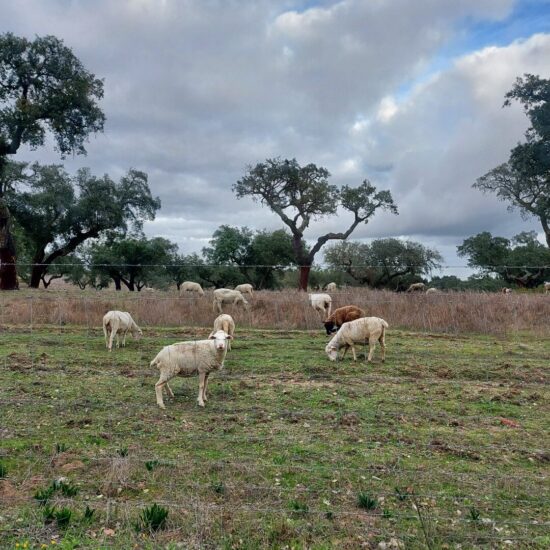
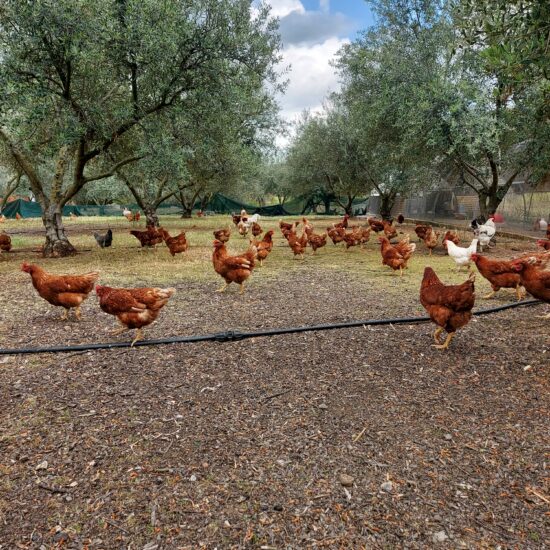
Grazing
Biological Agents
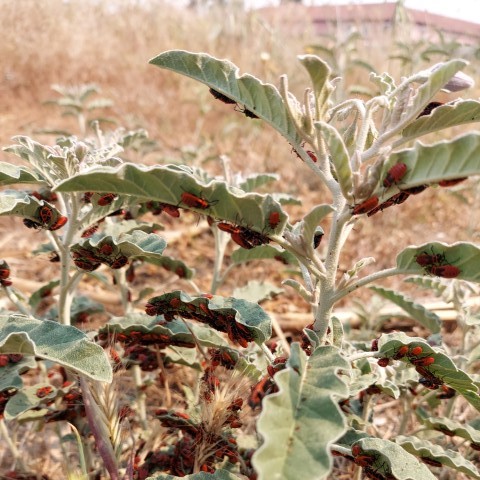
Biological agents
Introduction of natural enemies, such as insects or pathogens, to target specific weed species and reduce their abundance.
PDF
Novel
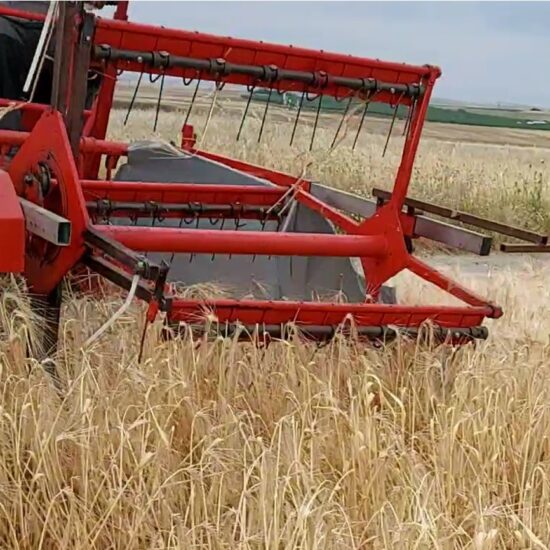
Harvest Weed Seed Control
Harvest of weed seeds and shattering to reduce soil seedbank and future infestations.
PDF
Inoculation of CC with AMF
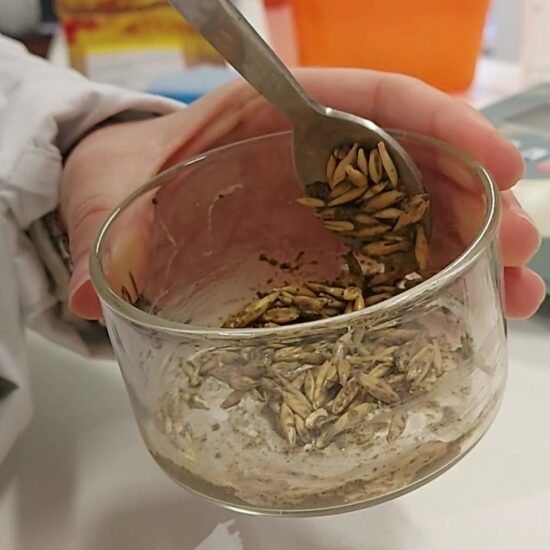
Enhancement of (cover) crop competitive ability against weeds and nutrient uptake with seed inoculation with arbuscular mycorrhizal fungi.
PDF
Technological - Precision
Decision Support Systems
Digital platforms and tools that provide data-driven recommendations for weed management.
PDF
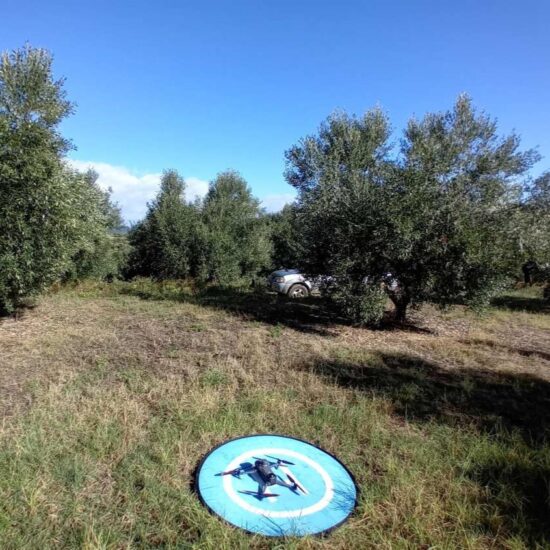
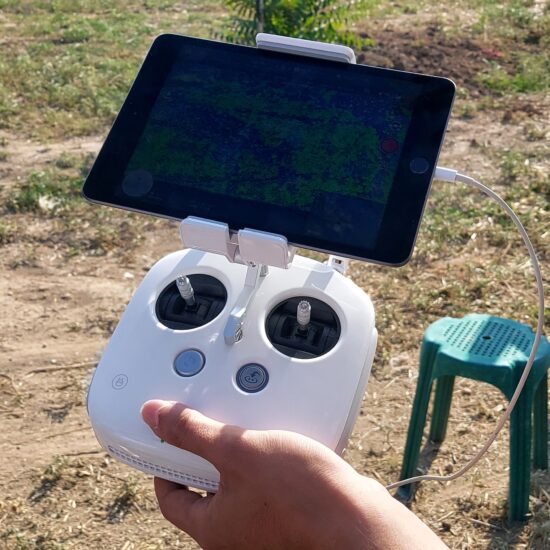
Drones
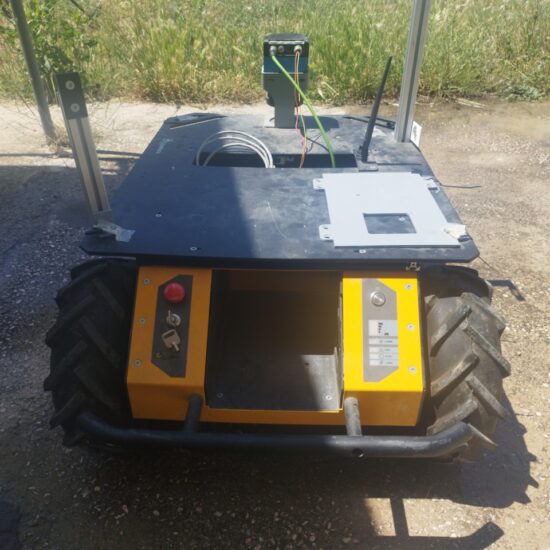
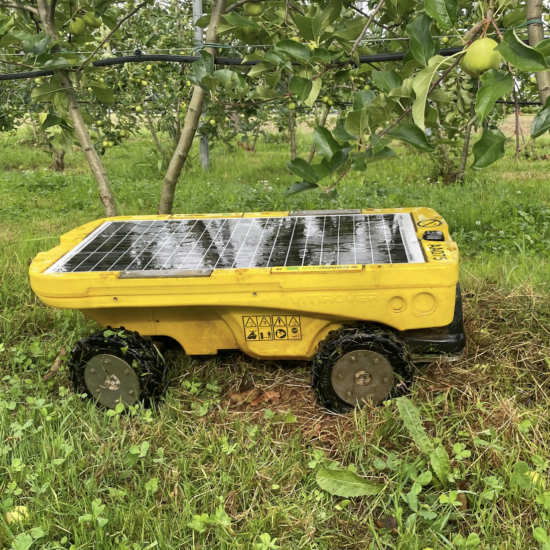
Robots (Automatic)
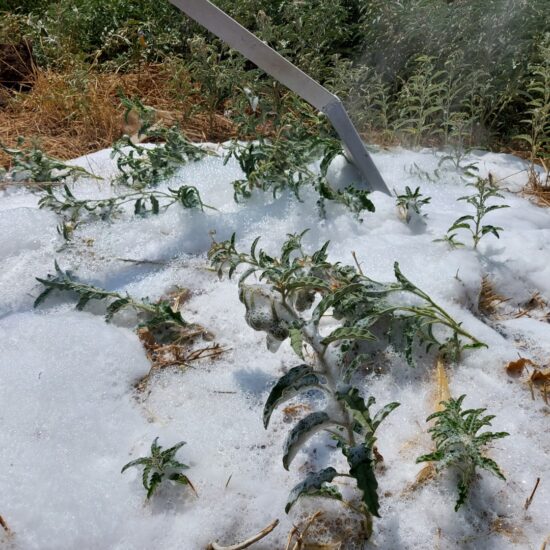
Hot Foam
Laser Weeding
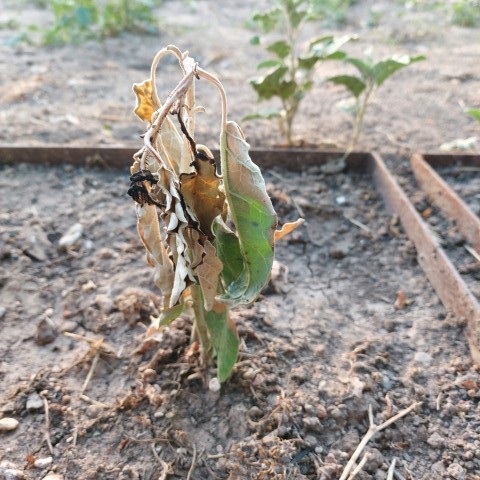
Flaming
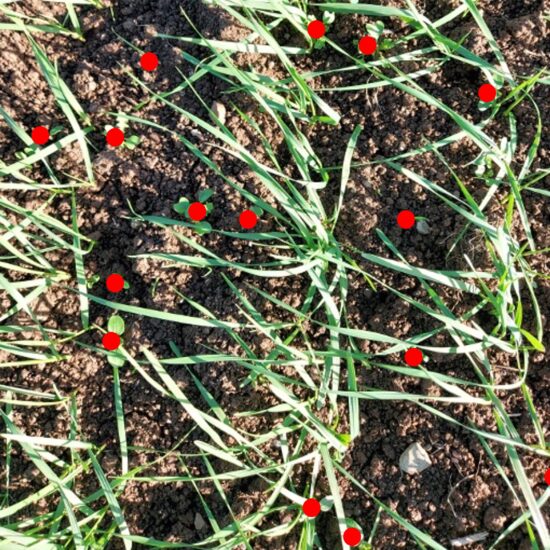
Electric Weeding
Site - Specific Spraying
Optimized site-specific herbicide application based on weed infestations.
PDF
Robots (mechanical weeding)
Use of autonomous or semi-autonomous machines to detect and physically remove weeds.
PDF
Robots (spraying)
Robots (spraying)
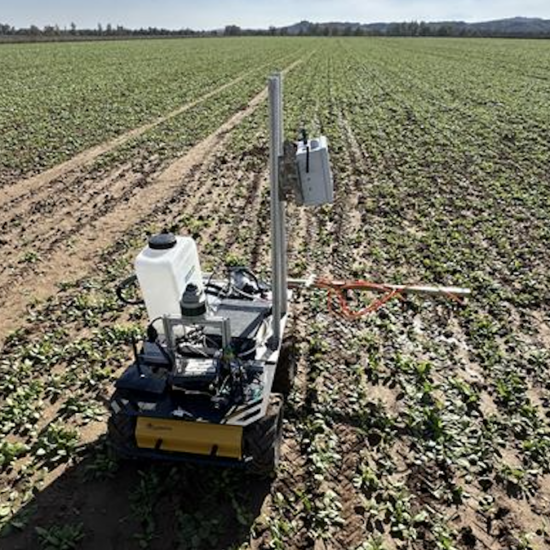
Use of autonomous or semi-autonomous robotic platforms to detect weeds and apply herbicides only where needed.
PDF
Herbicides (reduced rate)
Application of authorised herbicide doses below the full label rate to reduce chemical input while maintaining acceptable weed control.
PDF
Combination of practices
Cover crops + roller crimper
Use of cover crops mechanically terminated with a roller crimper to create a dense mulch layer that suppresses weeds.
PDF
Cover crops + grazing
Use of cover crops as temporary forage for livestock, combining weed suppression, soil cover and biomass management.
PDF
Cover crops + mechanical control
Use of cover crops combined with mechanical operations to suppress weeds and reduce reliance on herbicides.
PDF
Cover crops + crop rotation
Integration of cover crops into diversified crop rotations to suppress weeds, disrupt weed life cycles, and protect soil.
PDF
Cover crops + false seedbed
Use of cover crops followed by false seedbed preparation to suppress weeds, stimulate weed emergence before crop sowing and reduce the weed seedbank.
PDF
Cover crops + competitive crop varieties
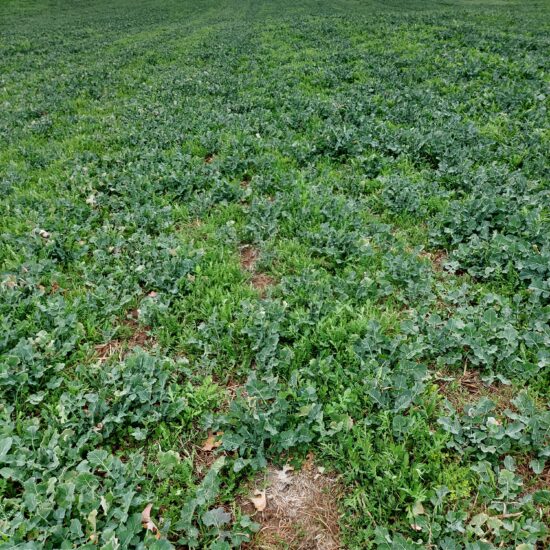
Use of cover crops together with competitive crop varieties to suppress weeds through soil cover, crop vigour, rapid canopy closure and stronger crop-weed competition.
PDF
Cover crops + allelopathic crops
Use of cover crops and crop species with allelopathic potential to suppress weeds through competition, soil cover, and residues.
PDF
Mechanical weeding + reduced tillage
Use of mechanical weed control tools within reduced-tillage systems to suppress weeds while limiting soil disturbance.
PDF
Grazing + mowing
Grazing + mowing
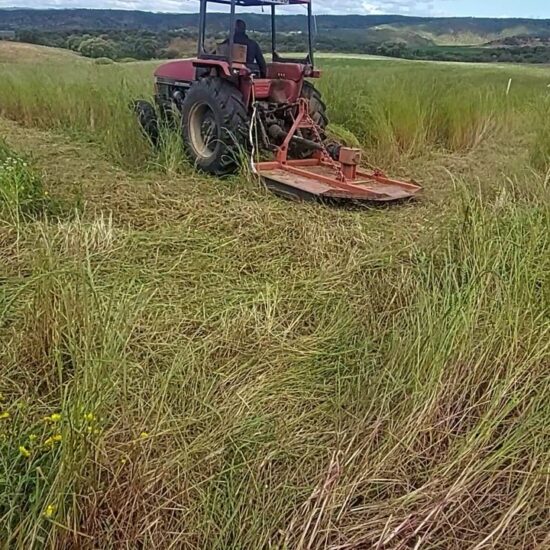
Combination of livestock grazing and mowing to suppress weeds, reduce biomass, prevent seed production and maintain more competitive vegetation cover.
PDF
Bioherbicides + mechanical control
Combined use of bioherbicides and mechanical weeding to suppress weeds through biological action and direct physical control.
PDF
Decision Support Systems + cover crops
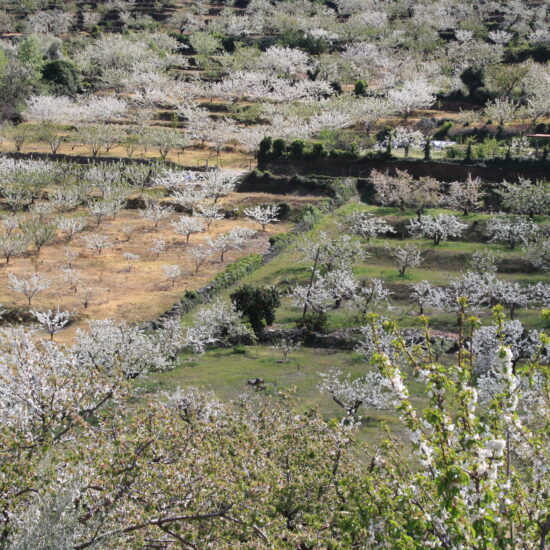
Use of digital tools to assist the selection, timing and management of cover crops for improved weed suppression and provision of multiple ecosystem services.
PDF
Decision Support Systems + herbicides (reduced rate)
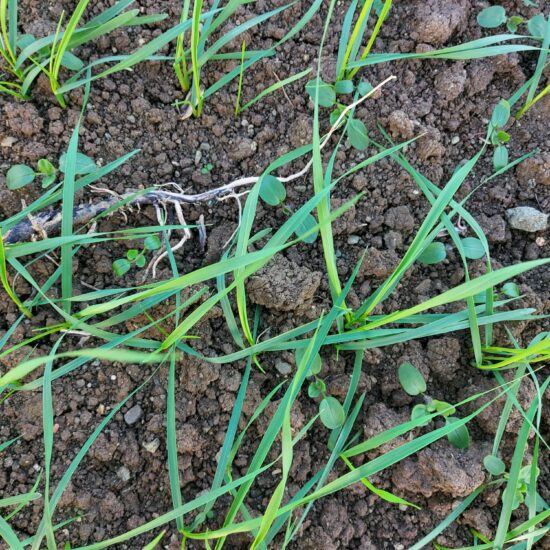
Use of digital tools to support legally authorised reduced herbicide rates based on weed pressure, crop stage, field conditions and expected control needs.
PDF
Drones + site-specific spraying
Use of drones to map weed distribution and support targeted, patch or variable-rate spraying, reducing unnecessary herbicide application on weed-free areas.
PDF
Mulching + mechanical control
Combined use of organic or synthetic mulches with mechanical weeding to suppress weed emergence
PDF